Blog
Easter in Sweden
Easter in Sweden and Norway has many similarities, but also some differences that make the celebrations unique in each country. In both countries, Easter is a time for family, cosiness and traditions, but the way the holiday is observed can vary.
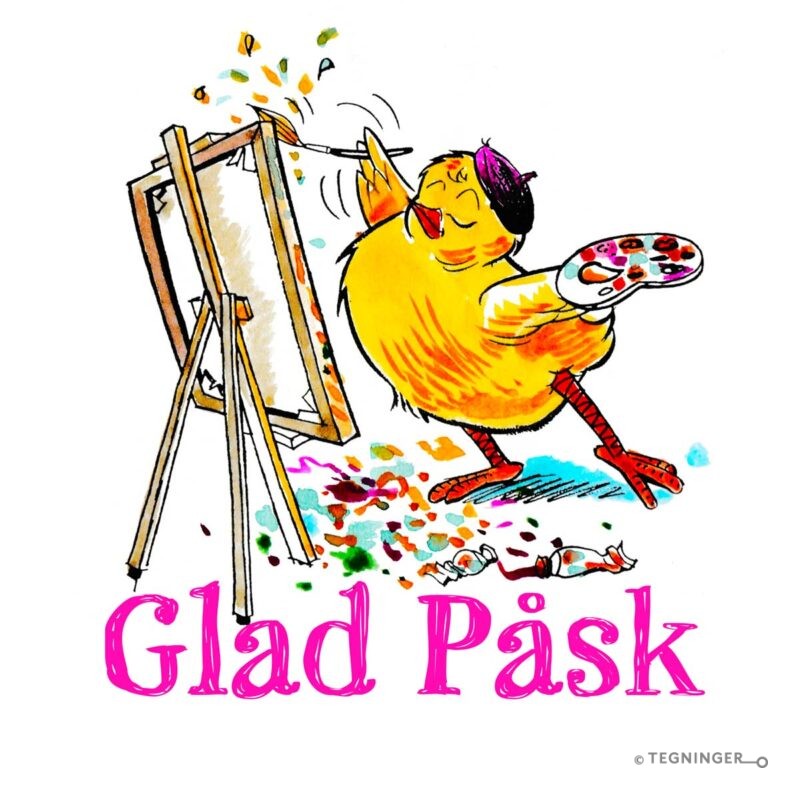
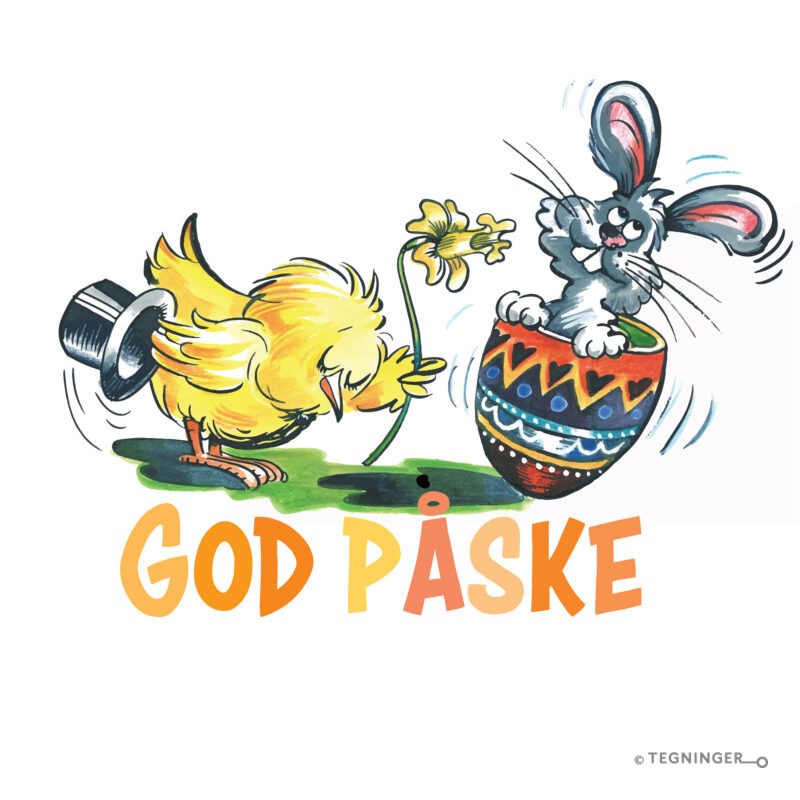
One clear difference is the language: in Sweden, people say ‘Glad påsk!’ instead of the Norwegian ‘God påske!’. This is a small but noticeable cultural difference that many people pick up on.
In Sweden, Easter is often characterised by colourful decorations, and Easter feathers in particular are widely used to decorate branches and homes. The Swedes also have a tradition of ‘påskkärringar’, where children dress up as little witches and go from house to house to wish people a happy Easter, rather like the Halloween tradition in other countries. They are often given sweets or small gifts in return.
When it comes to food, the Swedes have their own Easter specialities. The Easter table is somewhat similar to the classic Swedish smörgåsbord and includes dishes such as herring, salmon, meatballs, eggs and Jansson’s temptation. Easter sweets are also important, and many children receive large Easter eggs filled with sweets.
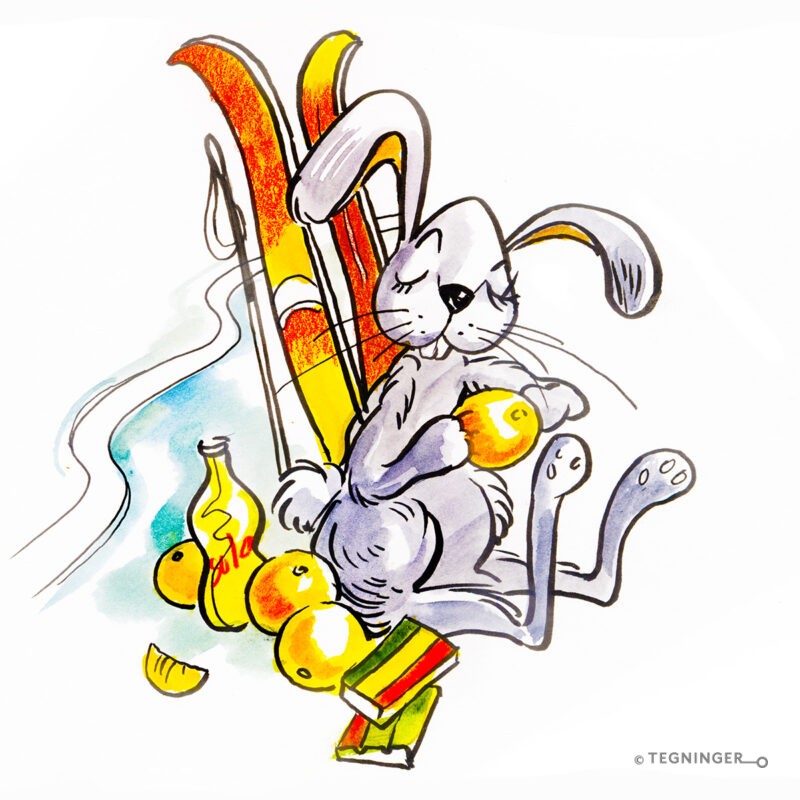
In Norway, on the other hand, there is a strong tradition of heading to the mountains at Easter. Many Norwegians use the holiday to go skiing, enjoy the sunshine and eat Kvikk Lunsj and oranges. Easter meals in Norway may include lamb as the main course, and it is common to have eggs as part of breakfast or lunch.
Whilst Swedes often focus on decorations and traditions at home, Norwegians are more interested in cabin life and outdoor activities at Easter. Both countries, however, share a love of celebrating spring and spending time with family and friends.