Blog
Easter Bunny
Easter Bunny
An Easter bunny is a figure often associated with Easter celebrations, particularly in Western countries. The tradition of the Easter Bunny originates from European folk tales and was later popularised in the USA. The Easter Bunny is often depicted as a rabbit-like creature who brings Easter eggs filled with sweets or small gifts for children.
According to tradition, the Easter Bunny hides the eggs, and the children have to look for them, often in the garden or inside the house. This is called an ‘Easter egg hunt’ and is a popular activity for families at Easter. The symbolism behind the Easter Bunny and the eggs is linked to spring’s renewal, fertility and the cycle of life.
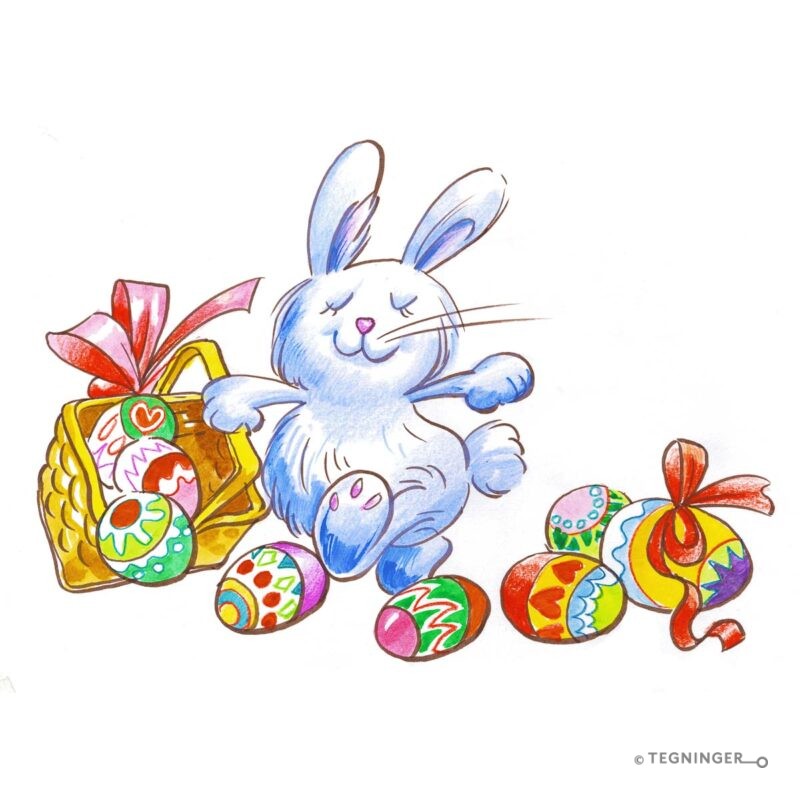
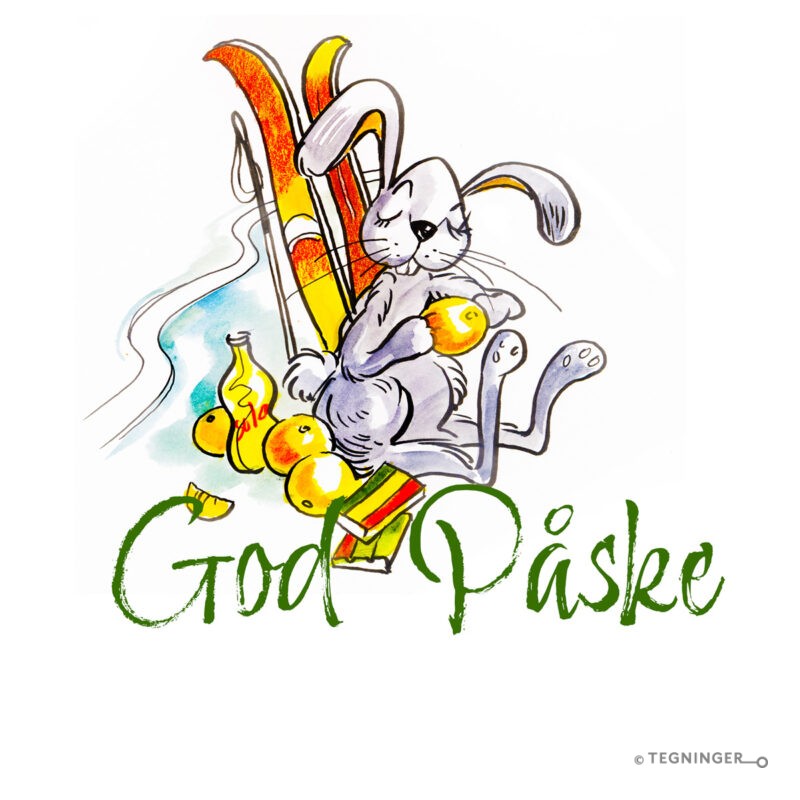
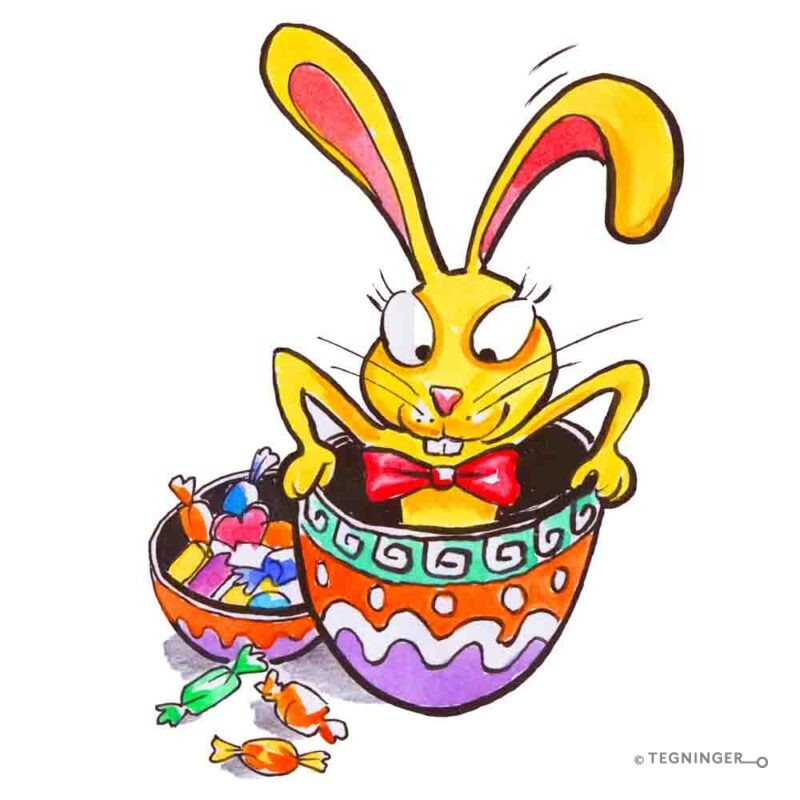
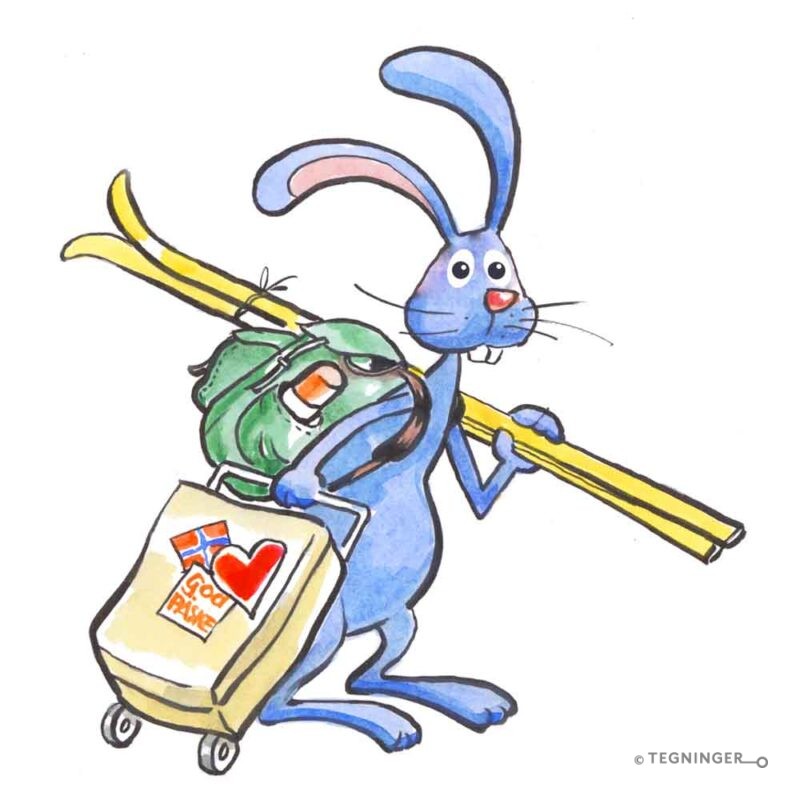
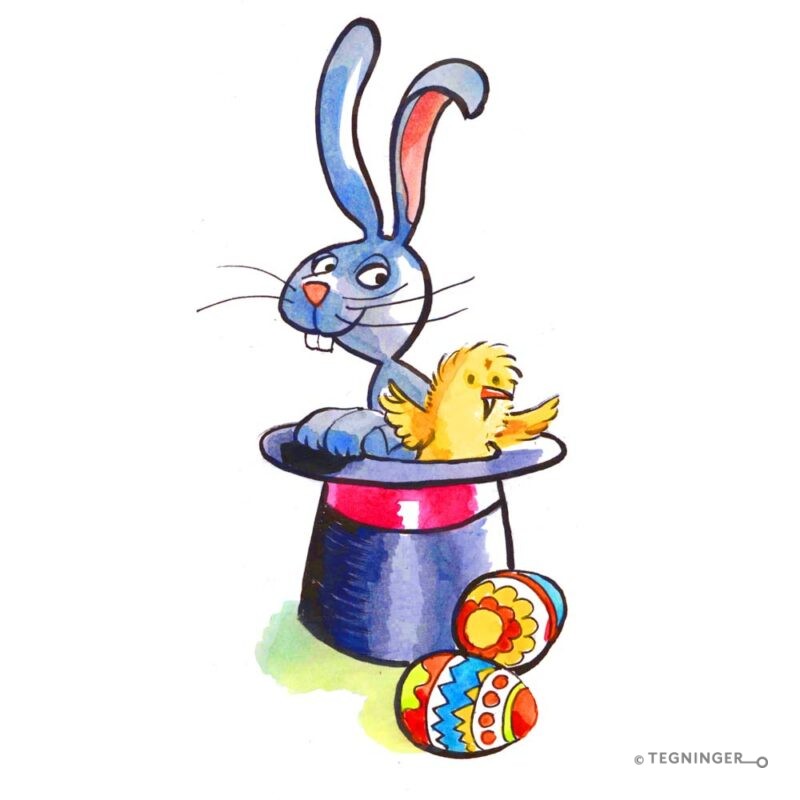
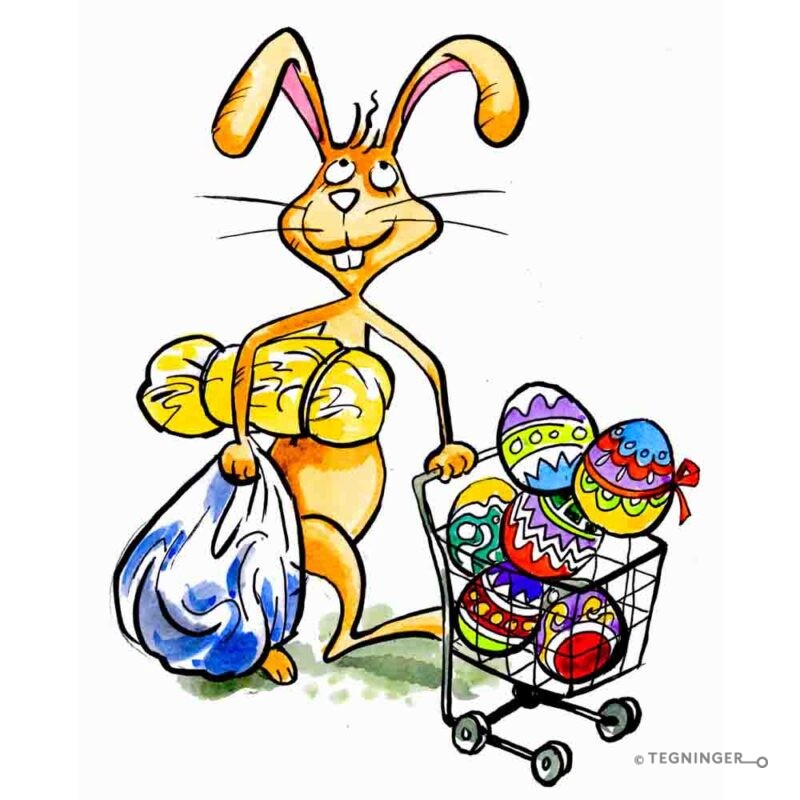
The Easter Bunny is often depicted as a friendly and cute rabbit, usually in bright, cheerful colours that suit the Easter theme. It is often shown with baskets full of colourful Easter eggs, flowers or other symbols of spring. The illustrations can range from simple drawings for children to more detailed works of art depicting the bunny in an idyllic spring setting. The Easter Bunny is associated with joy, play and traditions, and the illustrations often reflect this by having a playful and cosy feel.
Illustrations relating to Easter are often characterised by symbols and motifs that have both religious and cultural significance. Common Easter illustrations include Easter eggs, which symbolise new life, and chicks, which also represent rebirth and the arrival of spring. Religious motifs such as the cross, Jesus, and scenes from the Resurrection are also common in Christian contexts. Other popular elements include Easter bunnies, flowers such as daffodils, and spring colours such as yellow, green and white. These illustrations are often used to decorate cards, posters and decorations to create a cosy and festive atmosphere at Easter.
Easter