
Father Christmas in Norway
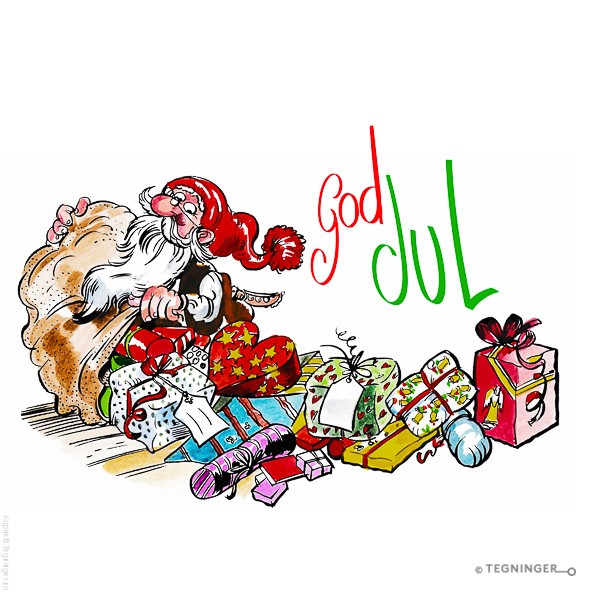
Father Christmas is one of the best-known and most beloved figures in Norwegian Christmas tradition. His origins as a symbol stretch far back in time, and over the centuries he has evolved to become a central part of how we celebrate Christmas today. But who is Father Christmas really, and how has he become the figure we know today?
From Norse mythology to Christianity
The history of Father Christmas in Norway can be traced back to pre-Christian times, when Norse mythology and traditions shaped people’s lives. One of the earliest connections to Father Christmas can be found in the figure of Odin. Odin was known as a mysterious and wise god who rode across the sky on his eight-legged horse Sleipner, particularly during the winter solstice. Children would often leave food out for Sleipner in the hope of receiving a reward from Odin, a tradition that can be seen as a precursor to the modern custom of leaving porridge out for Father Christmas.
The Barn Gnome
The Norwegian roots of Father Christmas
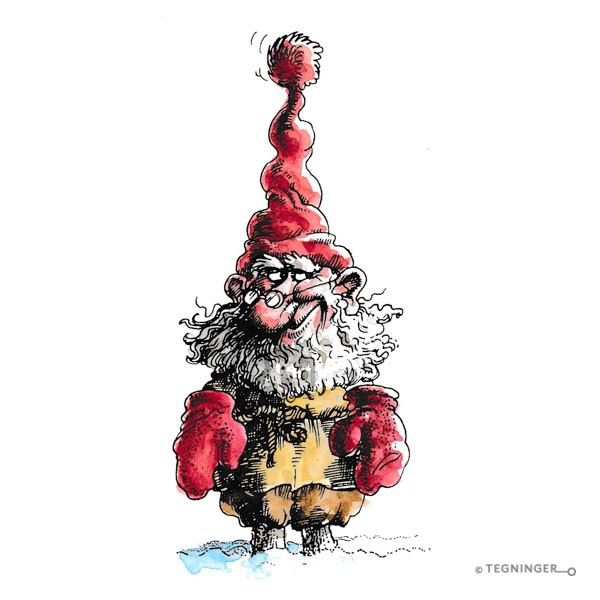
In Norway, the farm gnome has played a central role in the development of the modern-day Father Christmas. The farm gnome was originally a small, bearded figure who, according to folklore, lived on farms and looked after the animals and the farm folk. He was known for being both helpful and capricious – if he was treated well, he could bring good luck and prosperity, but if he was ignored or offended, he could cause trouble.
This is a simple headline
Lorem ipsum dolor sit amet, consectetuer adipiscing elit, sed diam nonummy nibh euismod tincidunt ut laoreet dolore magna aliquam erat volutpat.
The modern Father Christmas takes shape
The Father Christmas we know today, with his red suit, white beard and a sack full of presents, is the result of cultural influences from several countries, particularly the USA. In the 19th century, the tradition of St Nicholas was further developed in Europe and the USA, where he gradually took on the appearance we associate with him today. Illustrations by the American cartoonist Thomas Nast in the late 1800s played a major part in shaping the image of Father Christmas as a friendly, rotund man dressed in red and white.
Today, Father Christmas has become a symbol of joy, generosity and togetherness during the Christmas season. He embodies both old Norwegian traditions and more recent international influences, making him a unique figure who bridges the past and the present. For many children, Father Christmas is the very symbol of the magic of Christmas, whilst adults may see him as a reminder of the importance of giving and sharing with others.